
Bogotá as a living laboratory: what we learned about Nature-based Solutions
By Andrea Svensson, 19 de february 2026
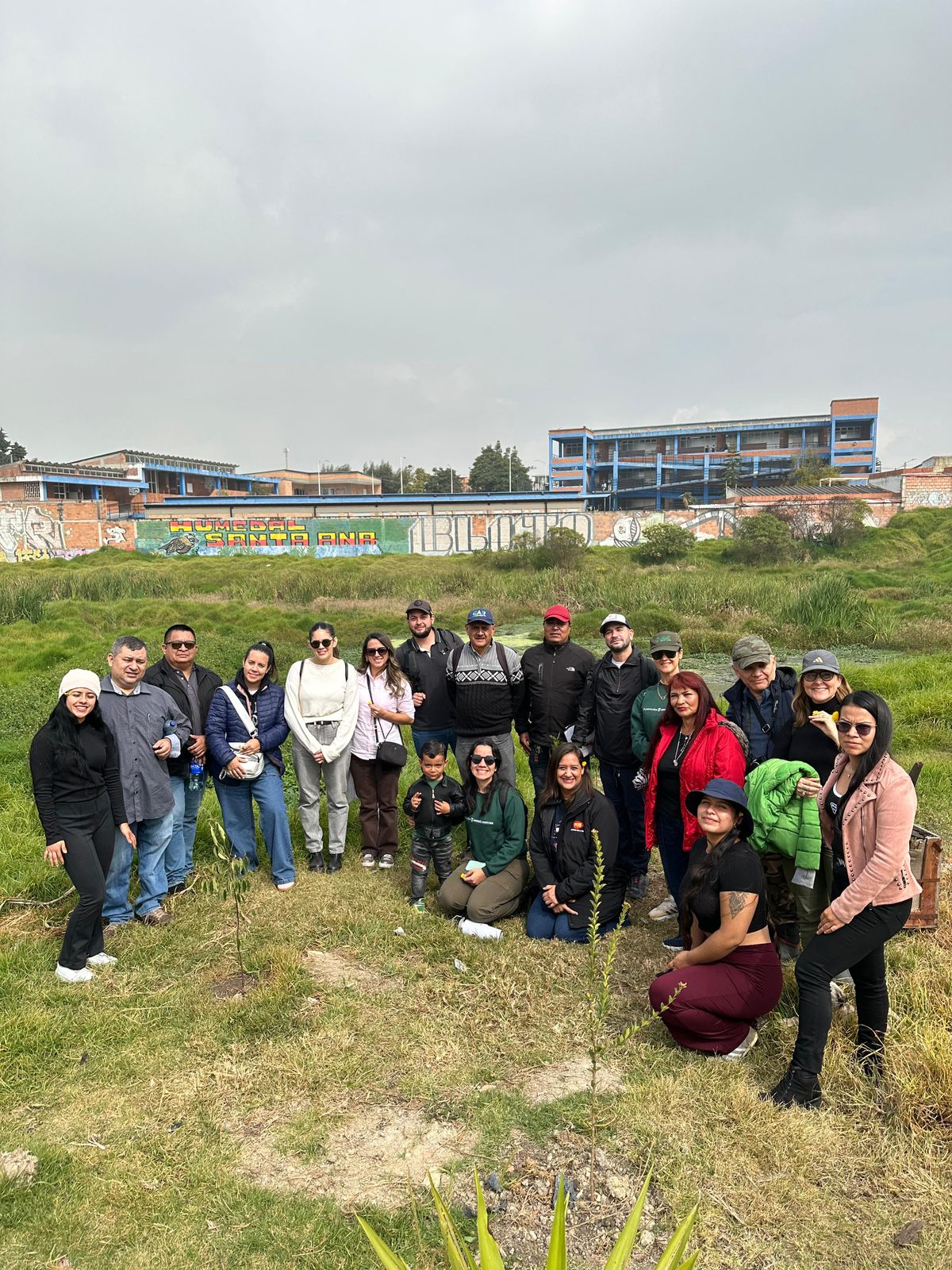
Between January 26 and 29, Bogotá became more than just a technical exchange destination: it was a living laboratory for reflecting on the role of Nature-based Solutions (NbS) in urban transformation. Throughout the Study Tour, participants visited community experiences, urban ecological corridors, wetland restoration processes, ecotourism initiatives in the Eastern mountains and institutional spaces where financing mechanisms and planning tools were discussed. This combination — territory, community, and public policy — made it possible to understand NbS across multiple scales.
During the Study Tour organized by SELVAR, a delegation from Paraguay — with representatives from the national government and the city of Itauguá — toured various experiences in the Colombian capital. However, beyond the places visited, what proved most valuable was what emerged in the conversations: deep questions about governance, sustainability, adaptation, and leadership.
This space left us with lessons that go beyond the territory itself.
1. NbS are not isolated projects, they are processes
One of the main lessons was understanding that NbS cannot be seen as one-off interventions or “green projects” within the city. They are transformation processes that require time, institutional continuity, and social ownership.
Behind every experience visited were years of work, adjustments, learning and, above all, persistence. This was a reminder that urban resilience is not built with quick fixes, but through sustained processes.
2. Communities are not beneficiaries: they are protagonists
Another key lesson was recognizing that the strongest initiatives are those where the community participates actively, not merely symbolically.
When people feel that the territory belongs to them, sustainability no longer depends solely on public budgets and begins to be sustained by the social fabric. In this sense, NbS are also social solutions: they strengthen bonds, identity, and a sense of belonging.
3. Governance is just as important as ecology
The conversations during the Study Tour made clear that restoring an ecosystem is only part of the challenge. The other part — equally complex — is building institutional arrangements that coordinate public, private, and community actors.
Without clear financial mechanisms, political leadership, and functional governance structures, even the best technical solutions lose their strength. NbS need ecological roots, but also institutional roots.
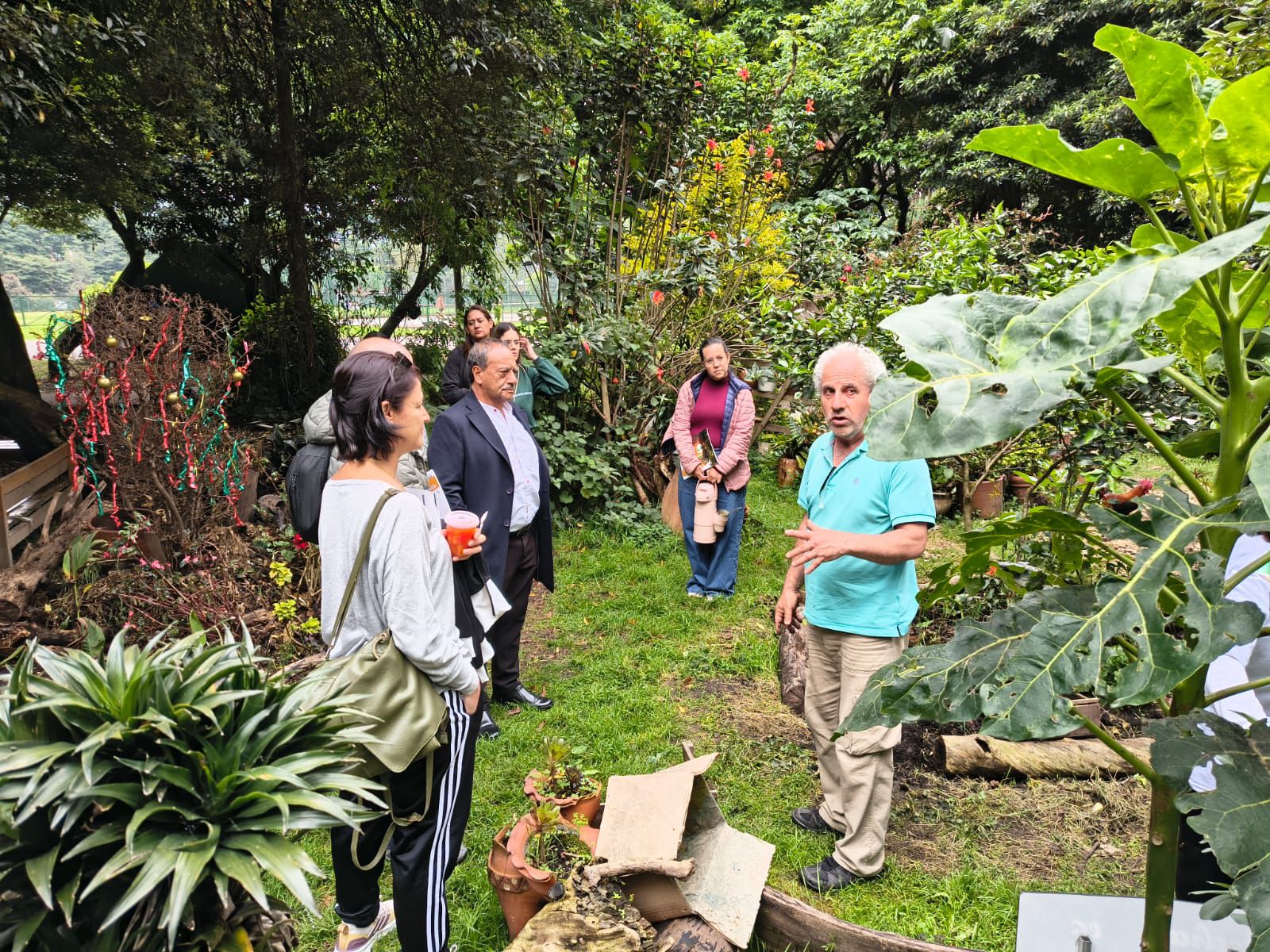
Photos: SELVAR. A tour of emblematic Nature-based Solutions (NbS) experiences in the Colombian capital, where nature, the city, and people came together to show that it is possible to plan more resilient, sustainable, and human territories.
4. It’s not about replicating, but adapting
One of the most powerful reflections was this: solutions are not copied, they are reinterpreted.
Every city has its own history, capacities, tensions, and opportunities. What works in Bogotá cannot be automatically transferred to Itauguá or any other city. The real learning lies in understanding the principles behind each experience and translating them into the local context.
Adaptation is, in itself, a form of territorial intelligence.
5. Measurement matters: evidence builds legitimacy
Finally, the Study Tour reaffirmed the importance of monitoring and evidence. For NbS to scale, they need to demonstrate results in biodiversity, risk reduction, social wellbeing, and economic efficiency.
Measurement is not just a technical requirement; it is a strategic tool for building political will and ensuring continuity.
A shared certainty
Beyond the site visits and technical exchanges, the Study Tour left a clear conviction: integrating nature into urban planning is not a trend, it is a structural necessity for the future of our cities.
Nature-based Solutions offer a powerful framework, but their success depends on something deeper: leadership, coordination, commitment, and adaptability.
At SELVAR, we believe that these exchange spaces do more than transfer knowledge; they build community among those who are committed to more resilient, more just, and more vibrant cities.
Because in the end, the cities of the future are not designed only on paper. They are built as a network.
Connect with us
And together let’s make sustainable development a reality.
Email:
info@selvar.co
Address:
Bogotá, Colombia